The Role of an Anesthesiologist: Ensuring Safety and Comfort During Surgery
What Does an Anesthesiologist Do?
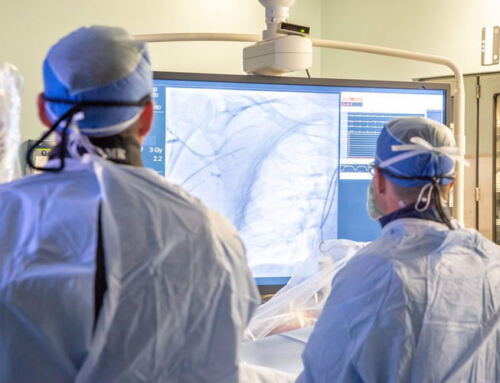
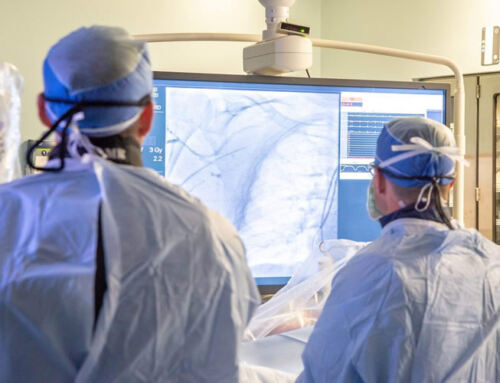
When preparing for surgery, most patients focus on the surgeon’s expertise. However, the anesthesiologist plays an equally critical role in ensuring a safe and comfortable experience. Anesthesiologists are specialized physicians who manage pain relief, monitor vital signs, and safeguard patients before, during, and after surgery. Their expertise is vital in minimizing risks and optimizing outcomes for every surgical procedure.
The Anesthesiologist
Anesthesiologists are medical doctors who complete . Their responsibilities extend far beyond administering anesthesia—they are integral to the entire surgical process.
Preoperative Assessment
Before surgery, anesthesiologists evaluate patients to determine the safest anesthesia plan. This includes:
- .
- Assessing potential risks, such as heart or lung conditions.
- Discussing anesthesia options and addressing patient concerns.
Intraoperative Care
During surgery, anesthesiologists:
- Administer anesthesia to ensure patients remain pain-free and unconscious (if required).
- Monitor vital signs, including heart rate, blood pressure, oxygen levels, and breathing.
- Adjust anesthesia levels as needed to maintain patient stability.
- Manage emergencies, such as allergic reactions or sudden changes in vital signs.
Postoperative Care
After surgery, anesthesiologists continue to play a crucial role:
- .
- Managing postoperative pain through medications or regional anesthesia techniques.
- Addressing complications, such as nausea or respiratory issues.
Types of Anesthesia
Anesthesiologists tailor anesthesia plans to each patient’s needs. The three primary types of anesthesia include:
1. General Anesthesia
General anesthesia induces a state of controlled unconsciousness, ensuring patients feel no pain and have no awareness during surgery. It is commonly used for major procedures, such as open-heart surgery or abdominal operations.
2. Regional Anesthesia
Regional anesthesia numbs a specific part of the body while the patient remains awake. Examples include:
- Epidurals (often used during childbirth).
- Spinal anesthesia (common for lower abdominal or leg surgeries).
- Nerve blocks (used for procedures on the arms, hands, or feet).
3. Local Anesthesia with Sedation
For minor procedures, local anesthesia numbs a small area, while sedation helps patients relax. This approach is often used for outpatient surgeries, such as dental work or skin biopsies.
Why Anesthesiologists Are Critical to Patient Safety
Anesthesiologists are often referred to as the “lifeguards” of the operating room. Their expertise directly impacts surgical outcomes by:
- Preventing complications through careful monitoring and rapid intervention.
- Reducing pain and anxiety, which promotes faster recovery.
- Customizing anesthesia plans to accommodate individual health conditions.
Studies show that and improves patient survival rates.
Common Questions About Anesthesia
Is Anesthesia Safe?
Yes, anesthesia is very safe when administered by a qualified anesthesiologist. .
Will I Feel Pain During Surgery?
No. Anesthesiologists ensure you are completely numb or unconscious during the procedure. If you experience pain afterward, they will manage it with appropriate medications.
How Long Does It Take to Wake Up from Anesthesia?
Recovery time varies depending on the type of anesthesia and the individual patient. Most people wake up within minutes to hours after surgery and are closely monitored during this period.
Choosing the Right Anesthesiologist
When preparing for surgery, it’s important to work with an experienced anesthesiologist. Look for:
- Board certification in anesthesiology.
- Experience with your specific type of surgery.
- A collaborative approach that prioritizes your comfort and safety.
Anesthesiologists are unsung heroes in the operating room, ensuring that every surgical procedure is as safe and comfortable as possible. Their expertise in pain management, monitoring, and emergency care makes them indispensable to modern medicine.