How to Find a Top Cardiac Surgeon in Boston: A 2026 Guide
The Critical Role of a Cardiac Surgeon
Cardiovascular disease remains a leading health challenge in the United States. A cardiac surgeon (or heart surgeon) specializes in complex procedures to treat coronary artery disease, valve disorders, and congenital defects.
In 2026, Boston remains a global epicenter for medical excellence. Choosing a surgeon within this elite healthcare hub requires navigating some of the world’s most prestigious institutions to ensure the best possible surgical outcome.
When to Consult a Heart Surgeon
Consultation is typically required when non-invasive treatments are no longer sufficient. Key indicators include:
- Persistent Angina: Chest pain indicating advanced arterial blockages./li>
- Valvular Disease: Severe stenosis or regurgitation requiring repair or replacement.
- Aneurysms: Weakening of the aortic wall that necessitates surgical intervention.
- Heart Failure: Advanced stages requiring ventricular assist devices (VADs) or transplantation.
- Post-Acute Care: Follow-up after a major cardiac event or heart attack.
Steps to Selecting the Right Surgeon in Boston
1. Leverage Professional Referrals
Start with your cardiologist or primary care physician. In the Boston medical network, doctors often have direct experience with surgeons at major teaching hospitals and can provide specific recommendations based on your diagnosis.
2. Verify Credentials and Affiliations
In 2026, the standard for excellence involves:
- Board Certification: Confirm certification via the American Board of Thoracic Surgery.
- Elite Hospital Affiliations: Boston is home to world-class facilities. Verify if the surgeon operates at Massachusetts General Hospital, Brigham and Women’s Hospital, or Beth Israel Deaconess Medical Center.
- Sub-Specialization: Ensure the surgeon specializes in your specific needs, such as robotic-assisted surgery or minimally invasive valve repair.
3. Analyze Outcomes and Quality Data
Don’t rely solely on patient reviews. Access objective data:
- Hospital Rankings: Consult the latest U.S. News & World Report Best Hospitals for Cardiology & Heart Surgery.
- STS National Database: Look for surgeons or programs that participate in the Society of Thoracic Surgeons (STS) public reporting, which tracks actual surgical outcomes and safety metrics.
4. Conduct a Formal Consultation
Prepare a list of targeted questions for your meeting:
- “What is your personal volume and success rate for this specific procedure over the last year?”
- “Are there minimally invasive or robotic options available for my condition?”
- “What does the post-operative recovery protocol look like at this facility?”
- “How does your team handle surgical complications?”
We Recommend
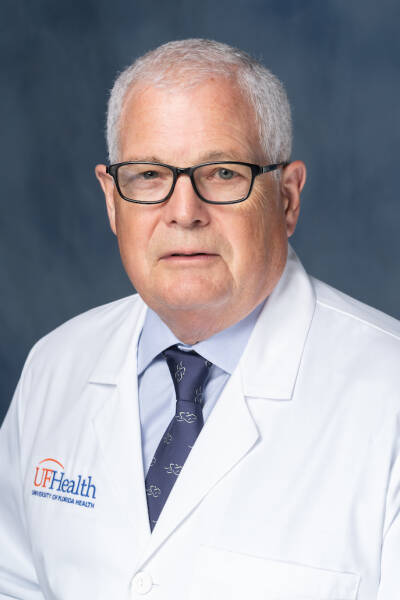
1. Dr. David C. Chang, PhD, MPH, MBA
Specialty: General and Gastrointestinal Surgery Affiliation: Massachusetts General Hospital (MGH), Harvard Medical School Notable: Director of the MGH Surgical Outcomes Analysis & Research (SOAR) program. Dr. Chang is a nationally recognized surgeon-scientist with a focus on health services research and surgical innovation. Credentials: Board-certified in general surgery; extensive publications in surgical outcomes and quality improvement.
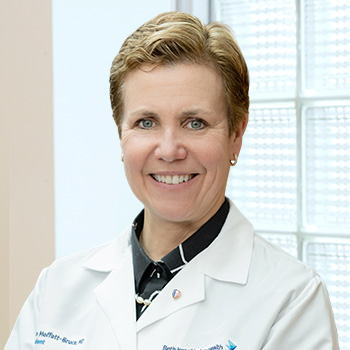
2. Dr. Susan D. Moffatt-Bruce, MD, PhD
Specialty: Cardiothoracic Surgery Affiliation: Formerly at Boston Medical Center; currently Chief Executive Officer of the Royal College of Physicians and Surgeons of Canada Notable: Renowned for her work in cardiothoracic surgery, health equity, and leadership in academic medicine. Previously served as a cardiac surgeon and professor at Boston University School of Medicine. Credentials: Board-certified in thoracic surgery; Fellow of the American College of Surgeons.
3. Dr. Francis D. Moore Jr., MD
Specialty: General and Trauma Surgery Affiliation: Brigham and Women’s Hospital, Harvard Medical School Notable: A leader in trauma and acute care surgery, Dr. Moore is known for his clinical expertise and research in surgical critical care. He is a past president of the American Association for the Surgery of Trauma. Credentials: Board-certified in general surgery and surgical critical care; Fellow of the American College of Surgeons.
Red Flags to Monitor
- Limited Transparency: A surgeon who downplays risks or refuses to share their outcome data.
- Communication Gaps: Feeling rushed or dismissed during the consultation.
- Outdated Facilities: While Boston is generally modern, ensure your procedure is performed in a high-volume center with the latest 2026 surgical technology.
Boston offers access to some of the finest cardiac care in the world. However, the quality of your recovery depends on your due diligence. By focusing on board certification, hospital reputation, and transparent outcome data, you can move forward with confidence in your surgical team.